
Diverticulosis and Diverticulitis. From Diagnosis to Treatment
Updated: Jan 19
What is Diverticulosis?
Diverticulosis is a common condition of the colon, characterized by the formation of small sac-like protrusions of the bowel wall, known as diverticula. In most cases, diverticulosis is asymptomatic and is often diagnosed incidentally during colonoscopy or imaging studies performed for other reasons.

Diagnosis of Diverticulosis
The diagnosis of diverticulosis is based on examinations such as colonoscopy or abdominal computed tomography (CT), which allow visualization of the diverticula and assessment of the condition of the colon.
What Patients with Diverticulosis Should Be Aware Of
The management of diverticulosis is conservative and focuses primarily on the prevention of complications. A diet rich in dietary fiber, adequate fluid intake, regulation of bowel habits, and avoidance of chronic constipation are recommended. Regular physical activity and a healthy lifestyle also contribute to symptom reduction.
Patients with diverticulosis should consult their physician if they develop persistent abdominal pain, fever, or changes in bowel habits.
What is Diverticulitis
Diverticulitis refers to inflammation or infection of one or more diverticula and represents a potential complication of diverticulosis.
Symptoms and Possible Complications
Diverticulitis typically presents with abdominal pain, most commonly in the left lower quadrant, fever, nausea, vomiting, and changes in bowel habits.
The presence of diverticula and their inflammation may lead to complications such as abscess formation, bowel perforation, localized or generalized peritonitis, bleeding from the colon, and bowel obstruction. The severity of these complications varies and determines both the diagnostic approach and the therapeutic management.
Diagnosis of Diverticulitis
The diagnosis of diverticulitis is primarily established with abdominal CT scanning, which confirms the presence of inflammation and allows assessment of disease severity and potential complications. Colonoscopy is avoided during the acute phase and is performed after symptom resolution in order to exclude other colonic pathologies.
Management and Treatment of Diverticulitis
The treatment of diverticulitis depends on the stage and severity of the disease. In mild, uncomplicated cases, management is conservative and includes antibiotic therapy, rest, dietary modifications, and close medical follow-up.
In more severe cases or when complications are present, hospitalization, intravenous antibiotic therapy, and drainage of abscesses may be required.
When is Surgical Treatment Required
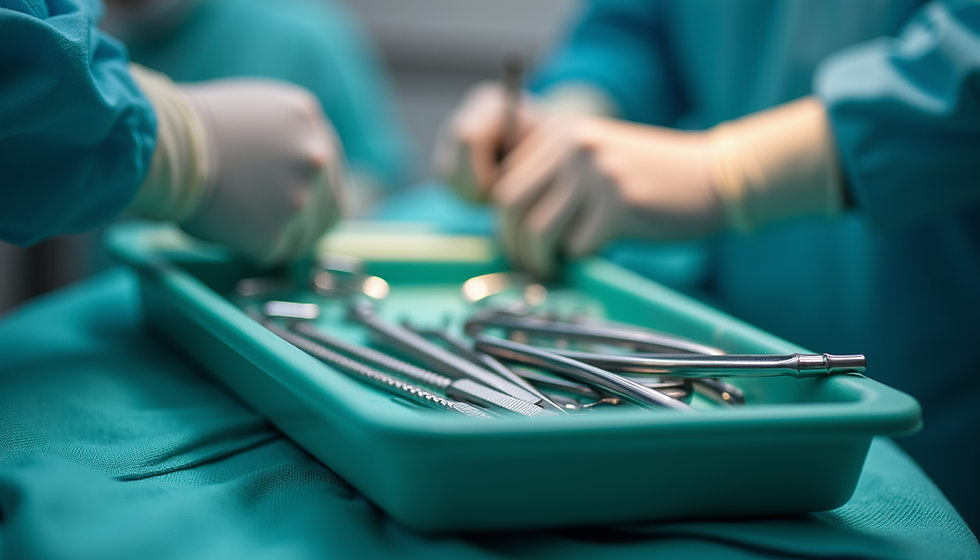
Surgical treatment is indicated in cases of recurrent episodes of diverticulitis that significantly affect quality of life, or when serious complications occur, such as perforation of the colon, generalized peritonitis, or bowel obstruction. The goal of surgery is the resection of the affected segment of the colon. Whenever feasible, surgical treatment can be performed using minimally invasive techniques, such as laparoscopic surgery.


Comments